
Introduction
If you’ve noticed your dashboard lights flickering while driving, it’s more than just an aesthetic issue—it could indicate an underlying problem with your vehicle’s electrical system. Flickering lights can range from a minor annoyance to a sign of a serious issue that, if left unaddressed, might cause larger system failures or even leave you stranded. Understanding the common causes, recognizing less common issues, and knowing when to seek professional help can save you time, money, and potential hazards on the road.
Common Causes of Flickering Dashboard Lights
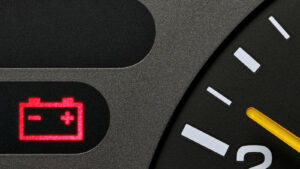
Weak or Failing Battery
Your vehicle’s battery provides the initial power required to start the car and supports electrical components while the engine is off. A battery that isn’t holding a charge properly can cause inconsistent power delivery to your dashboard lights, resulting in flickering. Common signs of a failing battery include slow engine cranking, dim headlights, and corrosion around the terminals.
DIY Check: You can use a multimeter to check the battery voltage. A healthy battery should read around 12.6 volts when the engine is off and 13.7–14.7 volts while running. If the reading is lower, it may be time for a replacement.
Prevention Tip: Regularly inspect battery terminals for corrosion, ensure tight connections, and have your battery tested during routine maintenance.
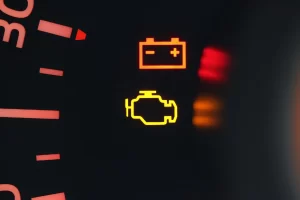
Faulty Alternator
The alternator charges your battery and powers your vehicle’s electrical systems while the engine runs. If it malfunctions, it can cause voltage fluctuations, leading to flickering lights, dimming headlights, or even stalling. A failing alternator often emits a whining or grinding noise.
DIY Check: While driving, pay attention to the dashboard battery warning light. You can also test the alternator using a multimeter: the voltage should remain between 13.7 and 14.7 volts when the engine is running.
Prevention Tip: Keep belts properly tensioned and replace any worn-out alternator belts.
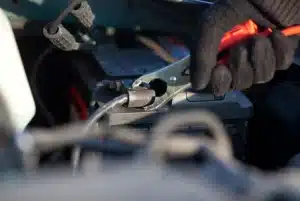
Loose or Corroded Battery Terminals
Corrosion or loose connections at the battery terminals can disrupt electricity flow, causing flickering dashboard lights and other electrical malfunctions. Even minor corrosion can impede proper contact.
DIY Check: Inspect the battery terminals for white or greenish powdery deposits. Tighten the clamps if loose, and clean corrosion with a mixture of baking soda and water.
Prevention Tip: Apply a thin layer of petroleum jelly or terminal protector spray to prevent future corrosion. Regular maintenance can prevent these issues; refer to our guide on Car Maintenance Before a Road Trip.
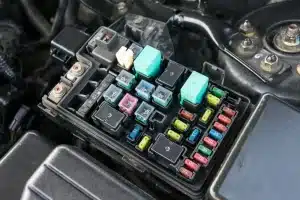
Blown Fuses or Faulty Wiring
A blown fuse or damaged wiring can interrupt the electrical circuit, causing intermittent power loss to dashboard lights. Wiring can deteriorate over time due to heat, moisture, or rodent damage.
DIY Check: Examine fuses in the fuse box and replace any that appear blown. Avoid replacing fuses with higher amperage than recommended, as this can damage components.
Prevention Tip: Have a professional inspect your wiring system periodically, especially if you notice flickering in multiple electrical components simultaneously.
Dimmer Switch Issues
The dimmer switch controls the brightness of your dashboard lights. A malfunctioning dimmer can cause flickering, erratic behavior, or sudden changes in brightness.
DIY Check: Try adjusting the dimmer to see if flickering persists. If it does, the switch or associated wiring may need inspection.
Less Common Causes of Flickering Dashboard Lights
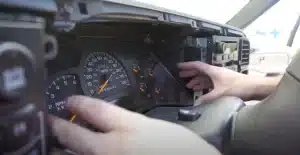
Faulty Instrument Cluster
The dashboard itself may be the source of the problem. A failing instrument cluster or worn-out circuit board can create inconsistent lighting. Symptoms include incorrect readings on the speedometer, fuel gauge, or odometer. This issue typically requires specialized repair or replacement.

Aftermarket Electronics or Modifications
Aftermarket devices like stereo systems, GPS units, custom lighting, or performance chips can interfere with your vehicle’s electrical system. Overloaded circuits may lead to flickering dashboard lights, dim headlights, or even blown fuses.
Common Examples:
-
Upgraded audio systems with high-powered amplifiers
-
LED light bars or custom interior lighting
-
Additional electronic accessories like dash cams, radar detectors, or phone chargers
-
Engine tuning modules or performance chips
Why It Happens:
Many aftermarket modifications draw more power than the factory wiring was designed to handle. If the wiring or fuses are not upgraded accordingly, it can cause inconsistent voltage, leading to flickering lights or other electrical issues.
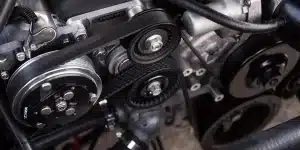
Alternator Belt Issues
A loose or worn alternator belt reduces the alternator’s efficiency in charging the battery, leading to flickering lights, stalling, or dimming headlights.
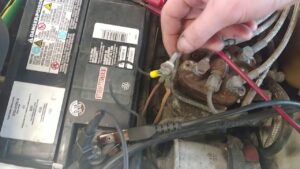
Electrical Shorts or Grounding Problems
Short circuits or poor grounding can create intermittent electrical issues that are challenging to diagnose without specialized tools. Warning signs may include sudden flickering in multiple areas, blown fuses, or unusual smells from wiring.
Other Possible Factors
- Faulty ignition switch
- Malfunctioning relays
- Moisture entering electrical components
DIY Check for Less Common Causes: If you suspect these issues, it’s usually best to consult a professional mechanic to avoid causing further damage.

When to Seek Professional Help
If dashboard lights continue flickering after checking the above components, or if you notice other electrical issues like dim headlights, unusual noises, or difficulty starting your vehicle, it’s important to consult a professional. At Matrix Auto Repair, our experienced technicians can diagnose and address the root cause of your vehicle’s electrical problems, ensuring your car is safe and reliable.