
Your car should run smoothly whether you’re cruising down the highway or idling at a red light. But if you’ve ever asked yourself, ‘why is my car overheating sometimes?’, or noticed car overheating sometimes only in traffic or when idling, you know how frustrating—and worrying—it can be. An engine that overheats intermittently isn’t just inconvenient; it can signal hidden issues within your cooling system that, if ignored, could lead to major repairs.
In this comprehensive guide, we’ll explore the most common cooling system culprits behind intermittent overheating, why your car sometimes runs hot and then cools down, and what you can do to fix the problem before it damages your engine.
Why Does My Car Overheat Sometimes But Not Always?
When a car overheats only occasionally—whether in traffic, while idling, or when the AC is on—it usually means the cooling system isn’t consistently doing its job. Instead of a complete failure, something is working intermittently:
- A radiator fan that kicks in sometimes but not always
- A thermostat that sticks open or closed only occasionally
- Coolant flow issues that appear under certain conditions
- Air pockets in the cooling system disrupting circulation
This explains scenarios like:
- Car overheats sometimes but not always → Inconsistent cooling system performance
- Car overheats sometimes when idling → Fan, airflow, or coolant circulation issue
- Car overheating sometimes while driving → Blockage, weak water pump, or thermostat issue
- Why does my car overheat in traffic but cools on highway → Poor airflow at low speeds, working fine with highway airflow
Understanding these patterns helps you troubleshoot the root cause.
7 Cooling System Culprits Behind Intermittent Overheating
-
Failing Thermostat (Sticking Open or Closed)
The thermostat regulates coolant flow between the engine and radiator. If it sticks partially closed, your engine may overheat when you’re idling but cool down once airflow increases on the highway.
Signs of thermostat issues:
- Car overheating sometimes may occur even after a thermostat replacement (a faulty new thermostat can still cause problems)
- Heater doesn’t work properly when the car runs hot
- Temperature gauge fluctuates unexpectedly
-
Radiator Fan Problems
Your radiator fan is crucial at low speeds or when idling. If the fan motor, relay, or sensor fails intermittently, your car may overheat in traffic but cool down at highway speeds when natural airflow takes over.
Common scenarios:
- Car overheats sometimes when AC is on (extra load requires fan support)
- Why is my radiator fan not working sometimes? → Worn electrical connections, failing fan motor, or faulty sensor
If you notice flickering dashboard lights or other electrical oddities, your cooling fan issue could be tied to automotive electrical problems.
-
Weak or Failing Water Pump
The water pump keeps coolant moving through your engine and radiator. If it’s failing, coolant circulation can become inconsistent. This leads to engine overheating sometimes then cooling down—especially under higher loads.
Symptoms of bad water pump:
- Coolant leaks near the front of the engine
- Grinding or whining noise from pump area
- Overheating at random times despite full coolant
Learn more in our guide to belts and hoses repair since worn belts can also impact water pump performance.
-
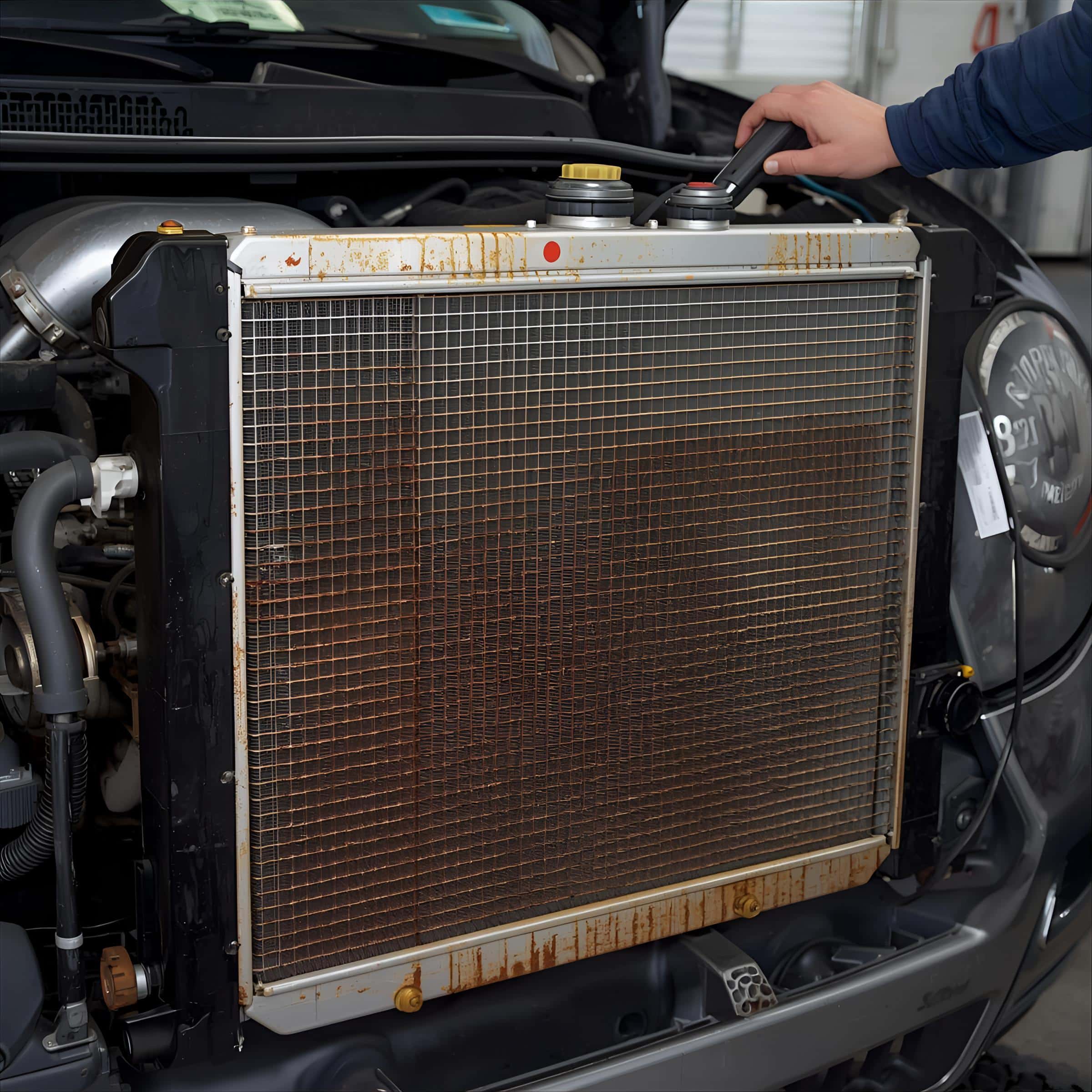
Clogged or Partially Blocked Radiator
A clogged radiator reduces coolant flow, sometimes causing overheating only under stress (like driving uphill, towing, or in hot weather).
Clues your radiator may be blocked:
- Car overheating sometimes may happen even with no visible leaks, often indicating a partially clogged radiator.
- Coolant looks rusty or sludgy
- Uneven radiator temperature (one side hot, the other cool)
-
Air Pockets in the Cooling System
If air gets trapped in your cooling system after a coolant flush or repair, it can block coolant flow intermittently.
- Why is my car overheating after coolant flush? → Air not bled properly
- Car overheating sometimes at low speeds → Air pockets affect circulation when system is under less pressure
-
Faulty Radiator Cap
It might seem minor, but a failing radiator cap can cause pressure loss, allowing coolant to boil at a lower temperature and cause overheating. Since the cap might hold pressure sometimes but not always, the problem can appear random.
Symptoms of radiator cap issues:
- Overflow tank bubbling
- Coolant smell after driving
- Car overheating sometimes but coolant is full
-
Head Gasket or Engine Issues
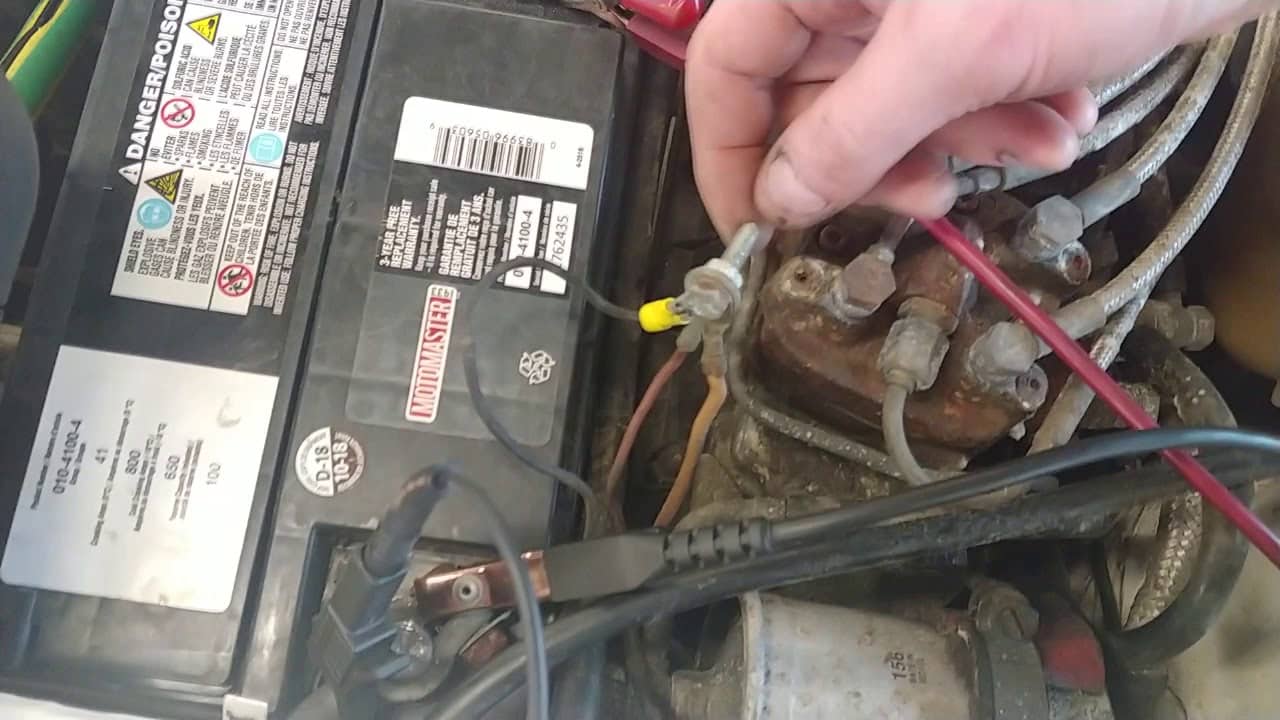
In more serious cases, intermittent overheating can point to a blown head gasket or internal engine issue. Exhaust gases leaking into the cooling system can create air pockets that cause overheating at unpredictable times.
Signs include:
- White smoke from exhaust
- Milky oil
- Heater stops working when engine overheats
If you’re experiencing these, get professional cooling system service in New Westminster immediately.
How to Troubleshoot Intermittent Overheating
If you’re asking, “how to troubleshoot car overheating sometimes?”, here’s a step-by-step process:
- Check Coolant Level – Low coolant is the #1 overheating culprit.
- Inspect Radiator & Hoses – Look for leaks, cracks, or blockages.
- Test the Radiator Fan – Ensure it engages when the AC is on or engine gets hot.
- Examine the Thermostat – Replace if stuck open or closed.
- Look at the Water Pump – Check for leaks or belt slippage.
- Inspect Radiator Cap – Replace if old or damaged.
- Bleed the Cooling System – Remove air pockets after service.
For preventative tips, check our guide on DIY car maintenance hacks and the importance of regular oil changes.
Preventing Cooling System Problems
Routine maintenance goes a long way in preventing overheating:
- Regular coolant flushes (every 2–3 years)
- Inspect belts and hoses for wear
- Keep an eye on warning signs like check engine lights
- Schedule seasonal inspections before road trips
When to See a Mechanic
If you notice your car:
- Overheats even after topping off coolant
- Only overheats under certain conditions (idling, AC use, uphill driving)
- Has fluctuating temperature readings
…it’s time to get a professional inspection. Ignoring intermittent overheating can lead to blown head gaskets, cracked radiators, or even total engine failure.
Visit our automotive cooling system service in New Westminster for expert diagnostics and repair.
FAQ Section – Why Is My Car Overheating Sometimes?
Q1: Can a car overheat sometimes even with a full coolant level?
A1: Yes. Intermittent overheating can occur due to air pockets in the cooling system, a failing thermostat, a weak water pump, or a partially blocked radiator—even if the coolant is full.
Q2: Why does my car overheat when idling but not on the highway?
A2: At low speeds or when idling, the radiator fan and airflow may not be sufficient to cool the engine. Once driving at highway speeds, natural airflow improves cooling, which is why the overheating may stop.
Q3: How do I know if my thermostat is causing intermittent overheating?
A3: Signs include fluctuating temperature gauge readings, the heater not warming properly when the engine is hot, or overheating that occurs only under certain conditions like idling or stop-and-go traffic.
Q4: Can a faulty radiator cap cause random overheating?
A4: Yes. A radiator cap that fails to maintain proper pressure can allow coolant to boil at a lower temperature, causing intermittent overheating. Look for bubbling in the overflow tank or a coolant smell after driving.
Q5: When should I take my car to a mechanic for overheating issues?
A5: If your car overheats even after topping off coolant, overheats under certain conditions (like AC use, uphill driving, or idling), or shows fluctuating temperature readings, professional diagnostics are necessary to avoid serious engine damage.
Final Thoughts
If you’ve been wondering, “why is my car overheating sometimes?”, the answer usually lies in one of these seven cooling system culprits: thermostat, radiator fan, water pump, radiator blockages, air pockets, radiator cap, or head gasket issues.
The good news? Most of these problems can be diagnosed and repaired before they cause lasting damage—especially if you stay on top of regular maintenance.
Next step: Book an appointment with Matrix Auto Repair to get your cooling system inspected today.